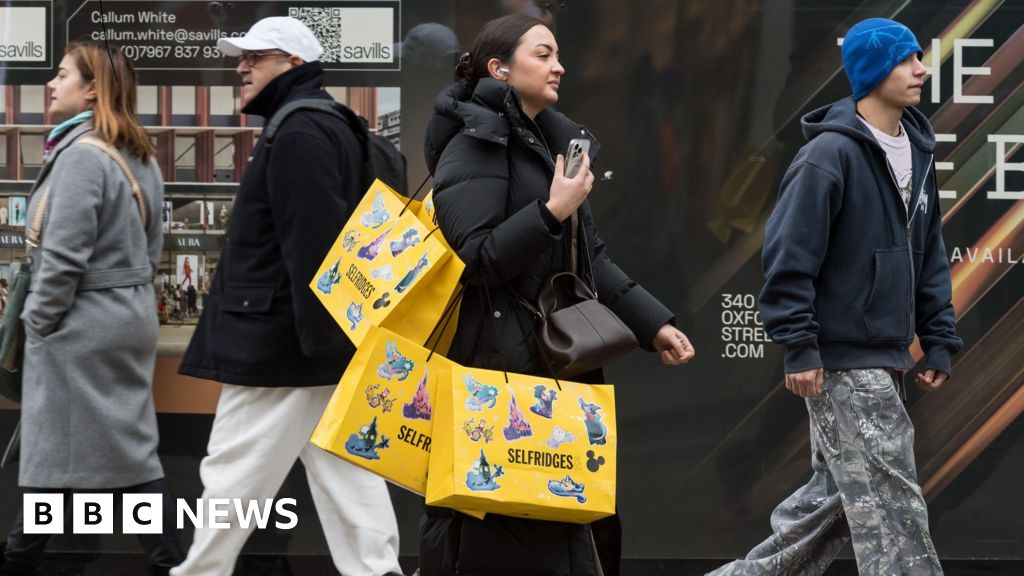
Once again, Boxing Day sales have failed to meet expectations, with retail analysts noting a significant decline in consumer activity across the UK. While some shoppers continue to seek discounts and bargains, the number of people visiting high streets and shopping centers has decreased compared to last year.
The decline in foot traffic is attributed to various factors, including economic uncertainties, changing shopping habits, and increased online shopping. Retailers have reported lower sales figures, with some stores experiencing minimal growth or even declines in revenue during the post-Christmas shopping period.
Despite the overall downturn, certain sectors such as online retail and discount outlets have seen some growth, indicating a shift in consumer preferences. However, traditional brick-and-mortar stores are struggling to attract customers, which raises concerns about the future of physical retail spaces.
Experts suggest that the decline in Boxing Day sales reflects broader economic challenges and a move towards digital shopping experiences. Retailers are now reevaluating their strategies to adapt to these changing consumer behaviors, including investing more in online platforms and enhancing in-store experiences to lure shoppers back.
Government officials and industry leaders are closely monitoring these trends, emphasizing the importance of supporting local businesses and encouraging economic recovery. As the holiday shopping season concludes, the retail sector faces a period of adjustment and strategic transformation to regain consumer confidence and stimulate sales.
Overall, the Boxing Day sales slump underscores the evolving landscape of retail, where traditional shopping is increasingly supplemented or replaced by digital alternatives, shaping the future of commerce in the UK.